Sushi is often considered a healthy meal because it can combine fish, vegetables, rice, and other nutrient-rich ingredients in one dish. However, not every sushi roll has the same nutritional profile. Some options are relatively light and provide protein and healthy fats, while others can be high in calories, sodium, added sugar, or fat because of sauces, fried ingredients, and large portions of rice.
So, is sushi healthy food? The answer depends largely on what you order, how much you eat, and how the sushi is prepared.
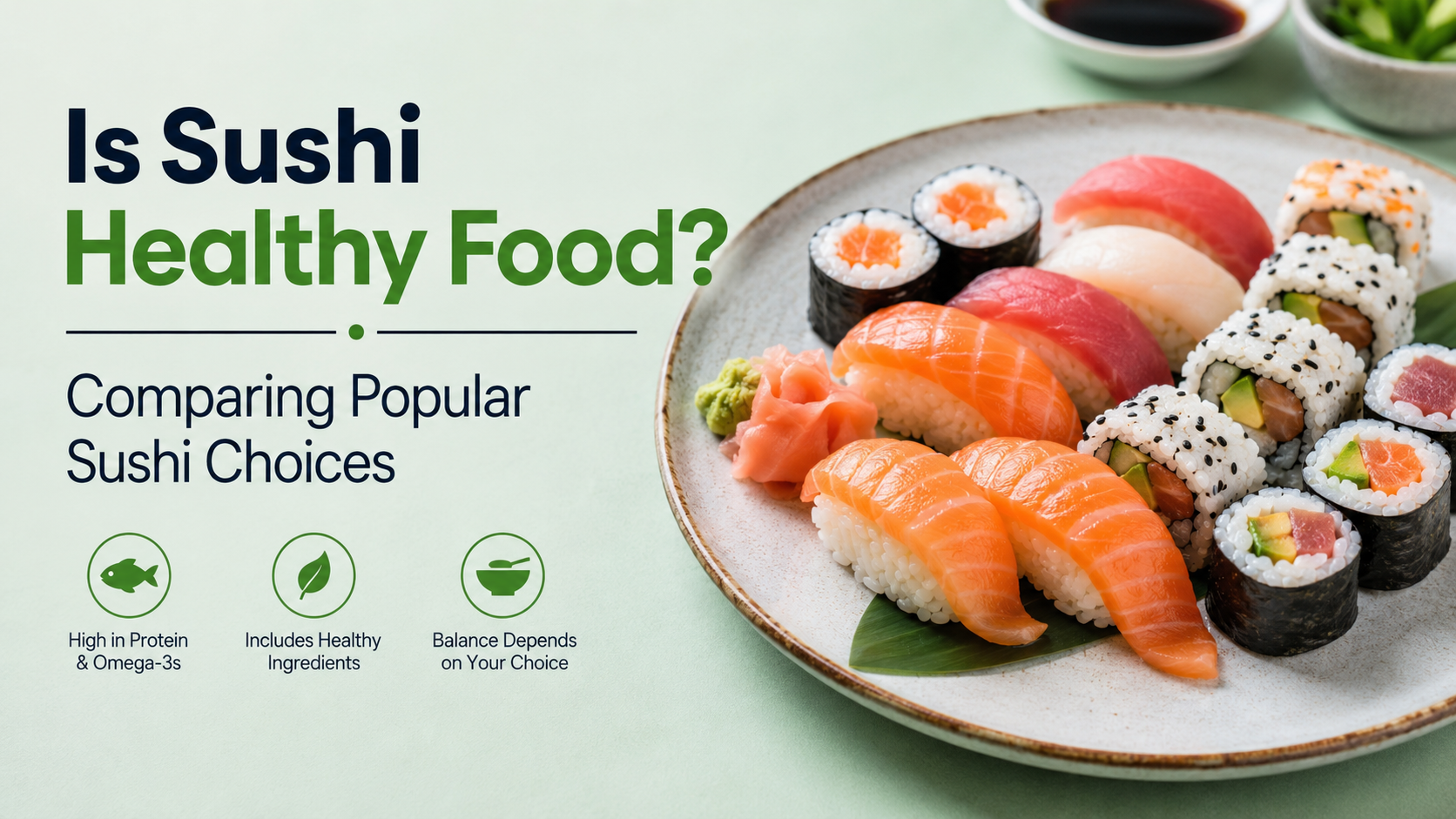
What Makes Sushi a Healthy Choice?
Traditional sushi can provide several important nutrients. Fish such as salmon and tuna are good sources of high-quality protein, while fatty fish can provide omega-3 fatty acids. Vegetables used in sushi may also contribute fiber, vitamins, minerals, and antioxidants.
Sushi can also be portion-friendly. A few pieces may provide a satisfying meal without the very large portions sometimes found in other restaurant foods.
However, sushi is not automatically healthy simply because it contains fish. Ingredients such as tempura, mayonnaise-based sauces, cream cheese, sweet sauces, and excessive amounts of seasoned rice can significantly change the nutritional profile.
Comparing Popular Sushi Choices
1. Sashimi
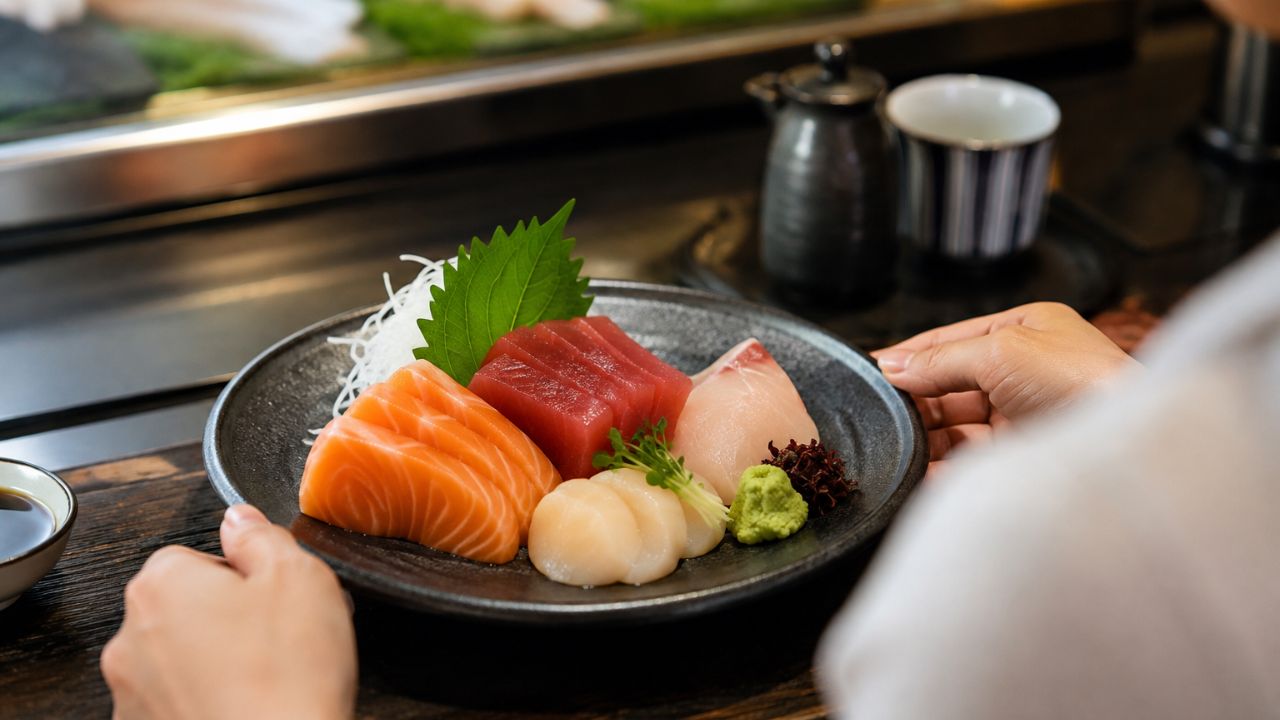
Sashimi consists of sliced raw fish or seafood without rice.
Health profile: Excellent choice for people looking for a high-protein, lower-carbohydrate option.
Sashimi provides protein and, depending on the fish, omega-3 fatty acids. Since it does not contain sushi rice, it generally has fewer carbohydrates than traditional sushi rolls.
Salmon, tuna, yellowtail, and other fish can all be nutritious choices. Because sashimi is served raw, food safety and proper handling are particularly important.
2. Salmon Sushi
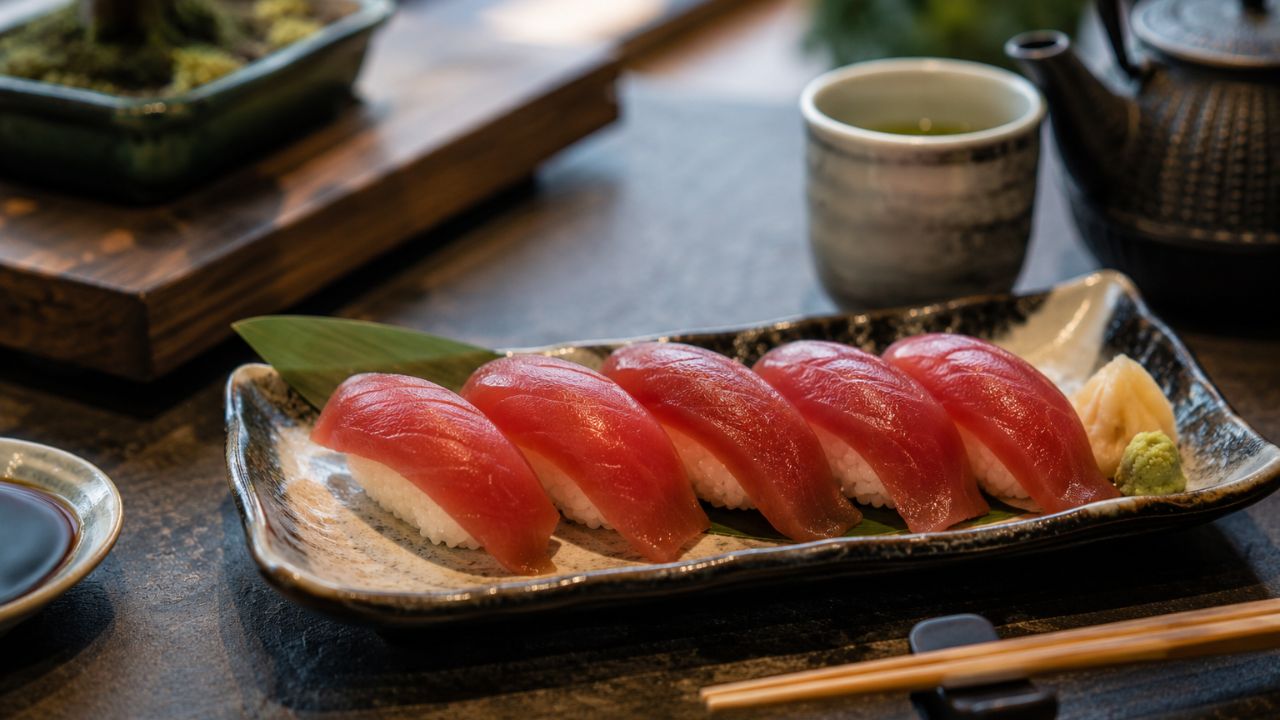
Salmon rolls or nigiri can be nutritious because salmon contains protein and omega-3 fatty acids.
Health profile: A strong option, particularly when prepared simply.
A basic salmon nigiri or salmon roll is generally a better everyday choice than versions loaded with fried ingredients or creamy sauces.
3. Tuna Sushi
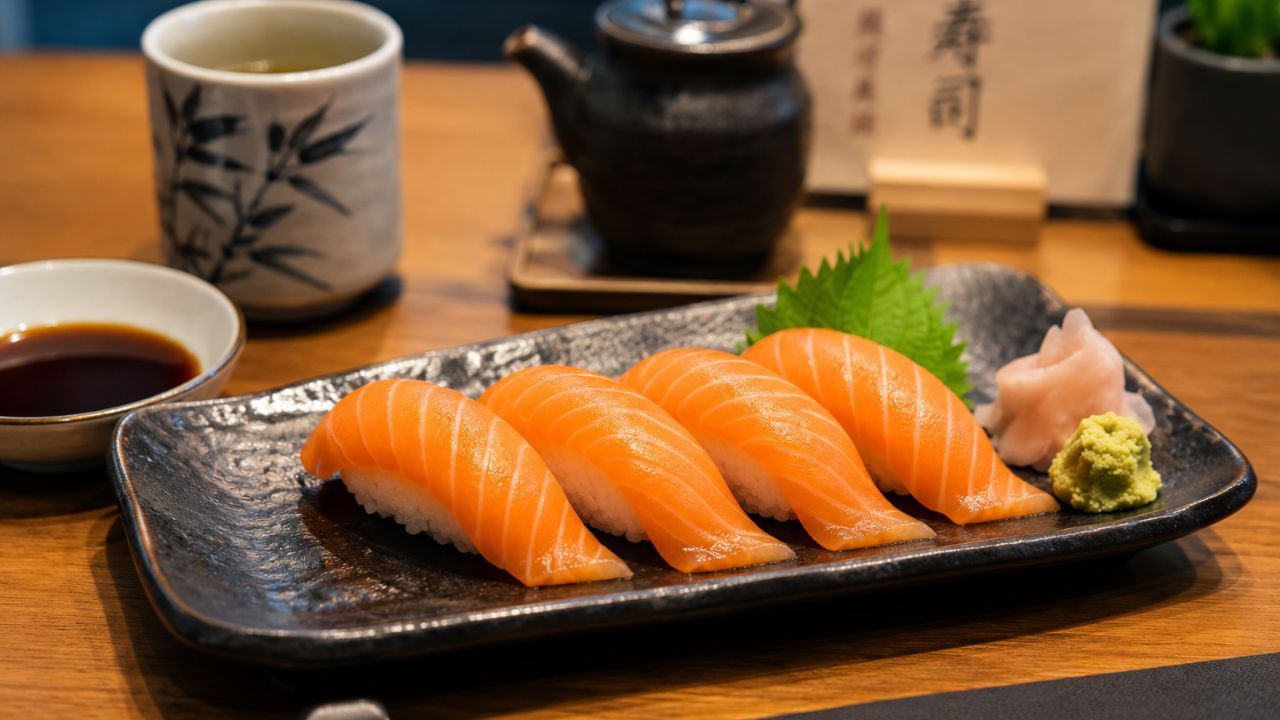
Tuna is another popular sushi ingredient and provides lean protein.
Health profile: Generally a good choice when served simply.
Simple tuna nigiri or rolls can be relatively light. However, tuna-based specialty rolls may contain mayonnaise, spicy sauces, fried toppings, or other ingredients that add calories and fat.
It is also sensible to vary the types of seafood you eat rather than relying on the same fish every time.
4. Vegetable Rolls
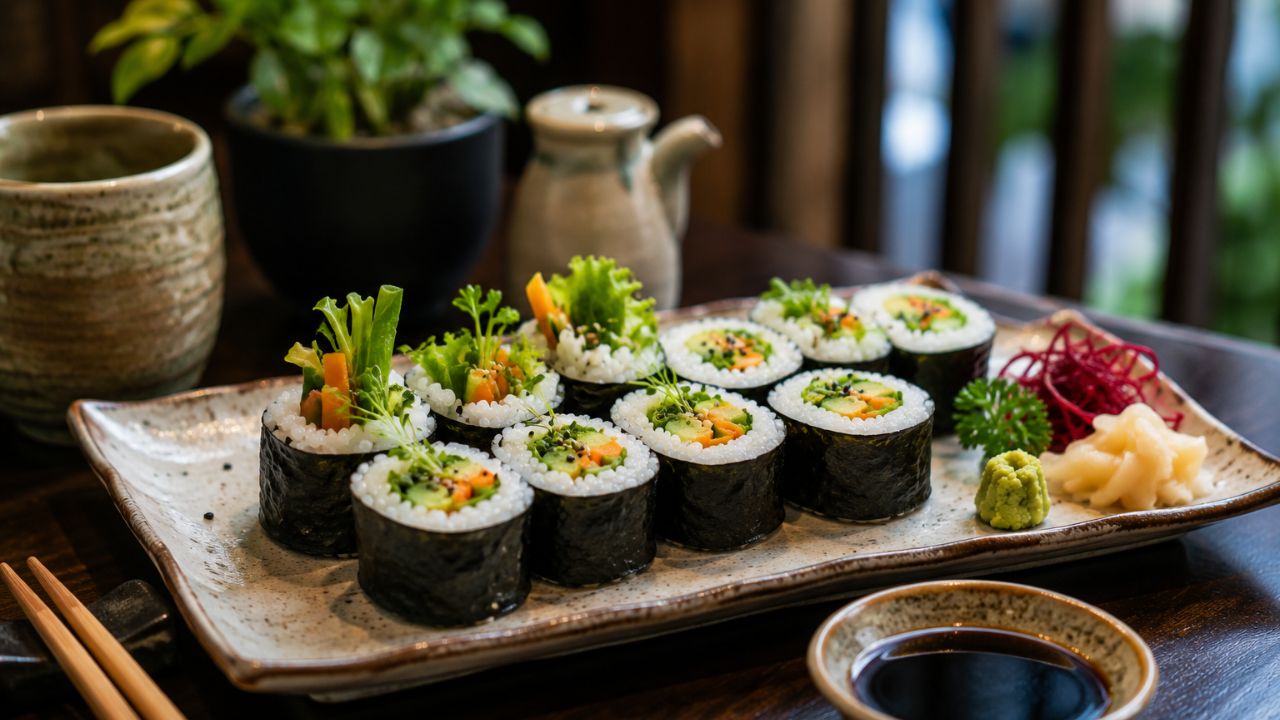
Vegetable sushi may contain ingredients such as cucumber, avocado, carrots, or other vegetables.
Health profile: Good option, particularly when it contains a variety of vegetables.
Avocado provides unsaturated fat, while vegetables contribute vitamins, minerals, and fiber. However, a vegetable roll is not necessarily lower in calories than fish sushi because rice still contributes carbohydrates.
For a more balanced meal, pair vegetable rolls with a protein-rich option such as sashimi or simple nigiri.
5. California Rolls
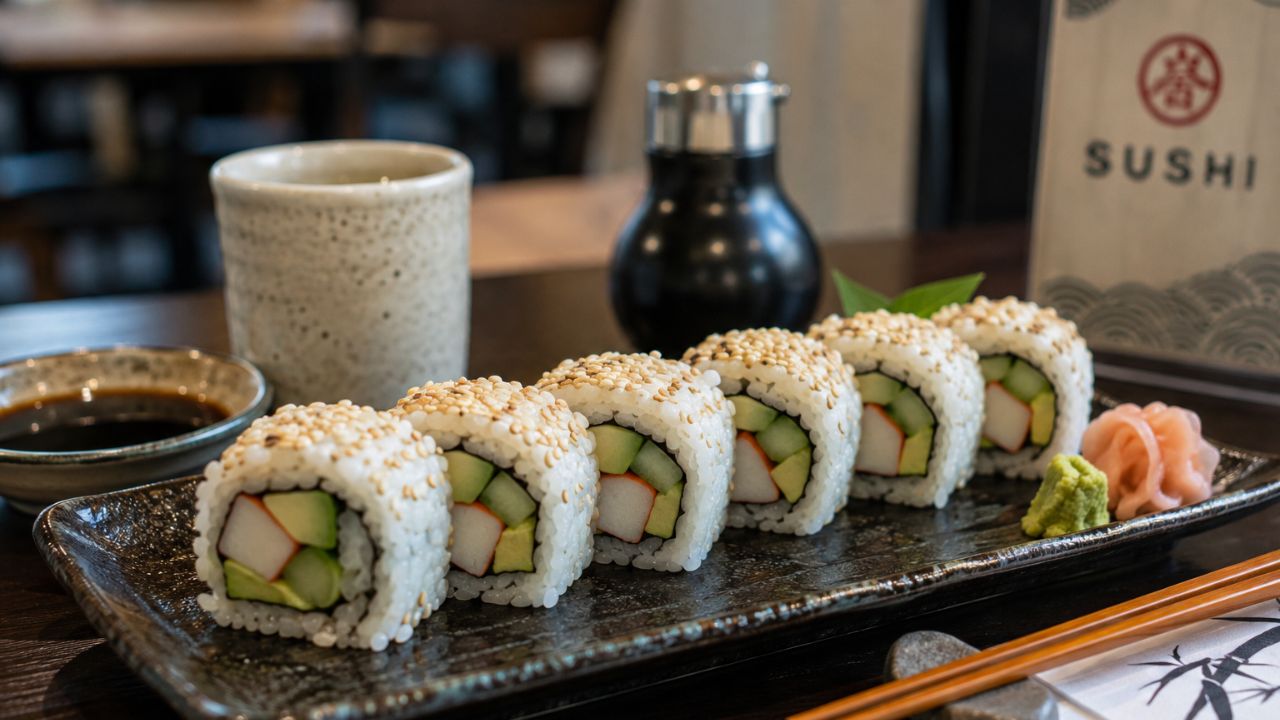
California rolls commonly contain imitation crab, avocado, cucumber, and sushi rice.
Health profile: Moderate choice.
They can provide carbohydrates, some protein, and healthy fats from avocado. However, imitation crab can contain added sodium and other ingredients, and the nutritional content varies between restaurants.
A simple California roll can still fit into a balanced diet, especially when portion sizes are reasonable.
Read More: Exploring the Unique Fusion of Japanese and Hawaiian Cuisine: Sushi in Paradise
6. Spicy Tuna Rolls
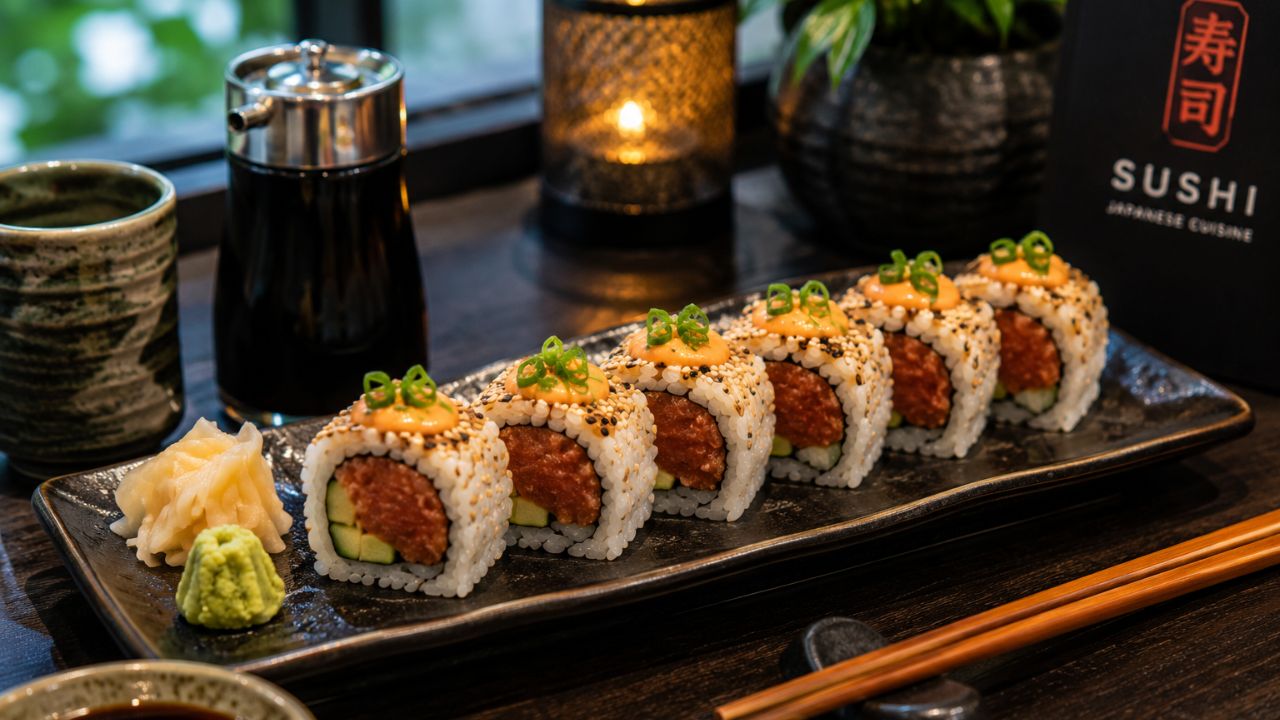
Spicy tuna rolls typically combine tuna with a spicy mayonnaise-based mixture.
Health profile: Reasonable choice, but check the sauce.
The tuna itself provides protein, but mayonnaise-based spicy sauces can increase calories and fat. If you enjoy spicy tuna, asking for less sauce can make the meal lighter.
7. Tempura Rolls
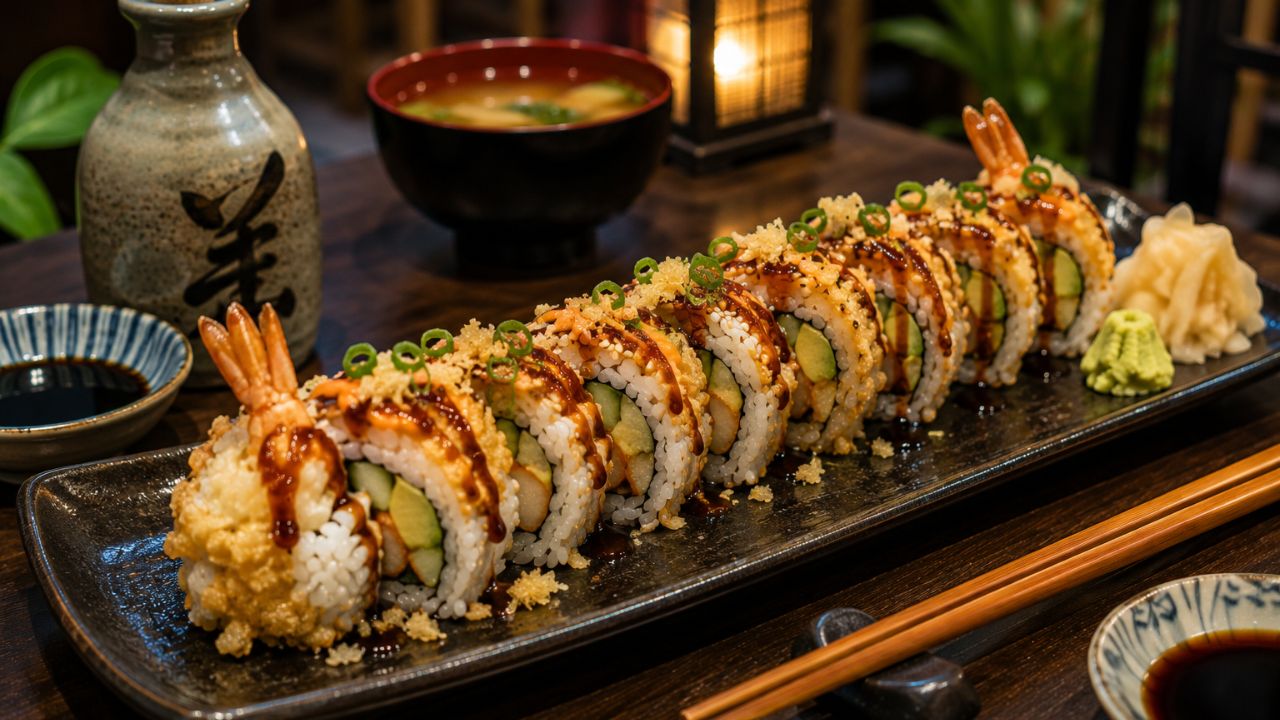
Tempura sushi contains fried ingredients, such as shrimp or vegetables.
Health profile: Less healthy than simple sushi options.
The frying process adds fat and calories. Tempura rolls may also be topped with additional sauces, creating a combination that is considerably heavier than sashimi, nigiri, or simple vegetable rolls.
You do not necessarily need to avoid tempura completely, but it is better treated as an occasional choice rather than the default.
8. Philadelphia Rolls
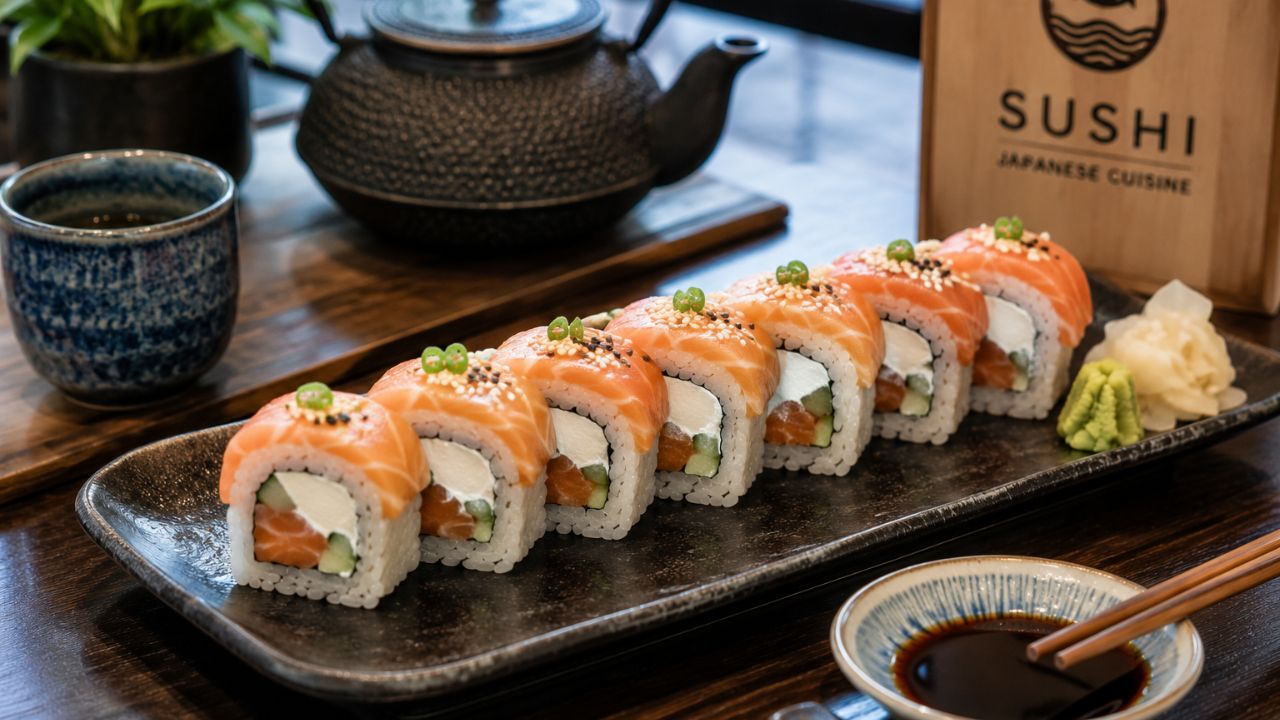
Philadelphia rolls commonly contain salmon and cream cheese.
Health profile: Nutritious ingredients combined with a higher-fat addition.
Salmon provides protein and omega-3 fats, but cream cheese adds saturated fat and calories. If you’re trying to keep the meal lighter, a simple salmon roll is generally a better option.
9. Dragon Rolls and Specialty Rolls
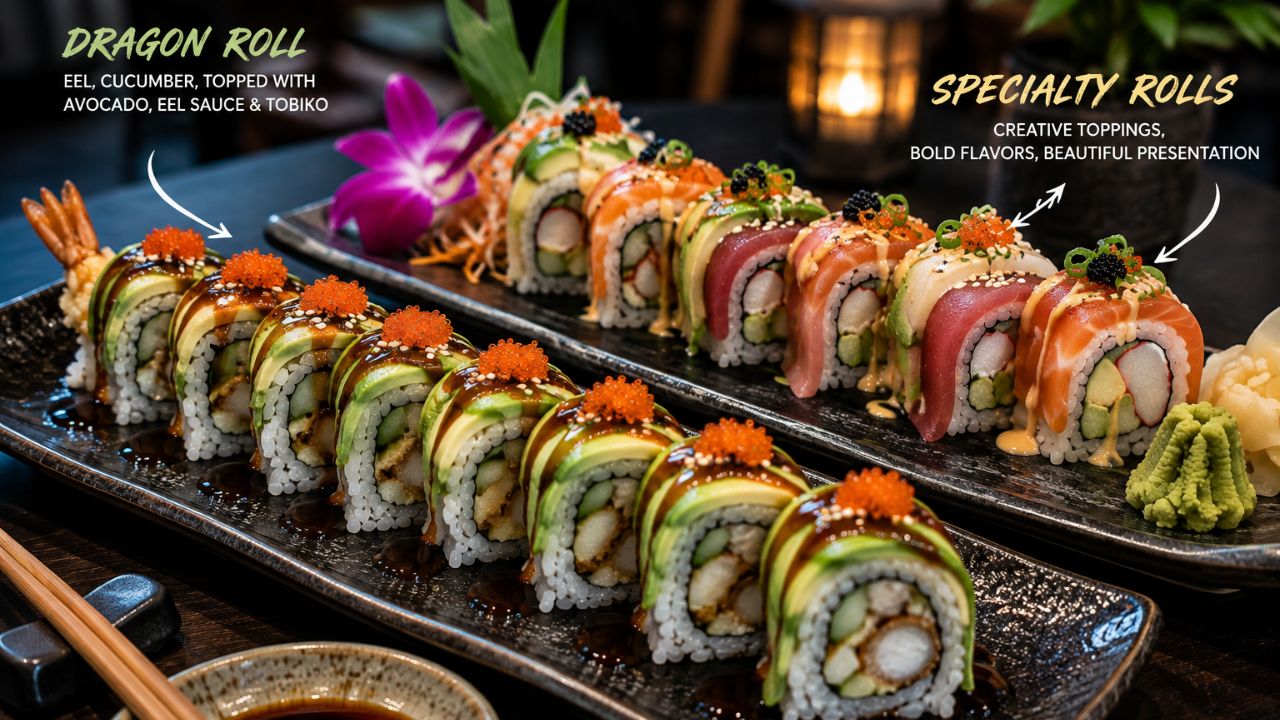
Specialty rolls can contain multiple ingredients, including avocado, tempura, spicy mayonnaise, eel sauce, cream cheese, and other toppings.
Health profile: Highly variable and often higher in calories.
The name of a sushi roll does not tell you everything about its nutritional value. Checking the ingredients is more useful. A roll containing fried seafood, creamy sauces, and sweet sauces can be much heavier than a basic fish-and-vegetable roll.
Sushi Choices at a Glance
| Sushi choice | Overall nutritional profile | What to consider |
|---|---|---|
| Sashimi | Excellent | High protein, no rice |
| Salmon nigiri/roll | Very good | Provides protein and omega-3s |
| Tuna nigiri/roll | Very good | Lean protein; vary seafood choices |
| Vegetable roll | Good | Look for several vegetables |
| California roll | Moderate | Watch sodium and portion size |
| Spicy tuna roll | Moderate | May contain mayonnaise |
| Philadelphia roll | Moderate | Cream cheese adds fat and calories |
| Tempura roll | Less favorable | Fried ingredients add calories |
| Specialty/saucy rolls | Variable | Often contain several high-calorie additions |
Is Sushi Healthy for Weight Loss?
Sushi can fit into a weight-loss diet, but portion size and ingredient selection matter.
Sashimi, simple nigiri, vegetable rolls, and straightforward fish rolls can make it easier to control calorie intake. In contrast, large specialty rolls containing fried ingredients, mayonnaise, cream cheese, and sweet sauces can provide substantially more calories.
One practical strategy is to combine a smaller portion of sushi with sashimi or a side of vegetables. This can provide protein and greater satiety without relying on a large amount of rice.
Similar link: Is Sushi an Aphrodisiac? Know the Truth and More
What About Sushi Rice?
Sushi rice is usually seasoned with ingredients such as rice vinegar, sugar, and salt. Rice itself is an important source of carbohydrates, but large portions can increase the overall carbohydrate and calorie content of a sushi meal.
If you’re watching your carbohydrate intake, consider choosing sashimi, ordering fewer rice-based rolls, or combining a small sushi portion with protein and vegetables.
Watch Your Sodium Intake
Sushi can contain more sodium than you might expect. Soy sauce is one of the biggest contributors, particularly when used generously.
Instead of soaking each piece in soy sauce, try using a small amount. You can also ask for reduced-sodium soy sauce if the restaurant offers it.
Other sources of sodium can include imitation crab, sauces, pickled ingredients, and seasoned foods served alongside sushi.
Is Raw Fish Safe to Eat?
Raw fish can be part of a healthy diet, but it requires careful handling and preparation. Foodborne illnesses can occur when raw seafood is contaminated or improperly stored.
Pregnant people, young children, older adults, and people with weakened immune systems may need to avoid certain raw seafood because they can face a higher risk from foodborne infections.
When eating raw fish, choosing reputable restaurants with good food-handling practices is important.
How to Order a Healthier Sushi Meal
You don’t have to give up your favorite sushi to make your meal more balanced. Consider these simple strategies:
- Choose sashimi or simple nigiri for a protein-rich option.
- Look for rolls containing fish and vegetables.
- Limit tempura and heavily fried ingredients.
- Ask for sauces on the side.
- Reduce mayonnaise-based sauces.
- Use soy sauce sparingly.
- Be mindful of the number of rolls you order.
- Add vegetables or a simple side dish when available.
- Vary the seafood you choose rather than eating large amounts of one type of fish.
The Bottom Line: Is Sushi Healthy Food?
Yes, sushi can be a healthy food, but the nutritional value depends heavily on the ingredients and preparation method.
Simple choices such as sashimi, salmon nigiri, tuna nigiri, and vegetable rolls can provide protein, healthy fats, and important nutrients. When dining at restaurants sushi options can vary significantly, so it is worth checking the ingredients before ordering. More elaborate rolls containing tempura, cream cheese, mayonnaise, and sweet sauces can be considerably higher in calories, fat, sugar, and sodium.
The healthiest approach is not necessarily to avoid certain sushi completely. Instead, focus on simple ingredients, sensible portions, a variety of seafood and vegetables, and moderation with sauces and fried toppings.
If you’re trying to make sushi part of a balanced diet, reading the ingredients and choosing simpler preparations can make a significant difference.
