Choosing sushi becomes easier when you understand how different fish taste, feel, and pair with other ingredients. Some varieties have a mild, buttery flavor, while others offer a firm texture or a richer taste that stands out even with simple seasoning. In Hawaii, where seafood is an important part of local food culture, learning about popular sushi fish can help you make more informed choices when ordering Japanese cuisine.
Whether you enjoy traditional nigiri, flavorful sushi rolls, or sliced seafood served without rice, each fish offers a different dining experience. This guide explains the characteristics of popular sushi fish, how chefs commonly prepare them, and what to consider when choosing your next sushi meal.
1. Ahi Tuna: A Popular Choice for Sushi Lovers
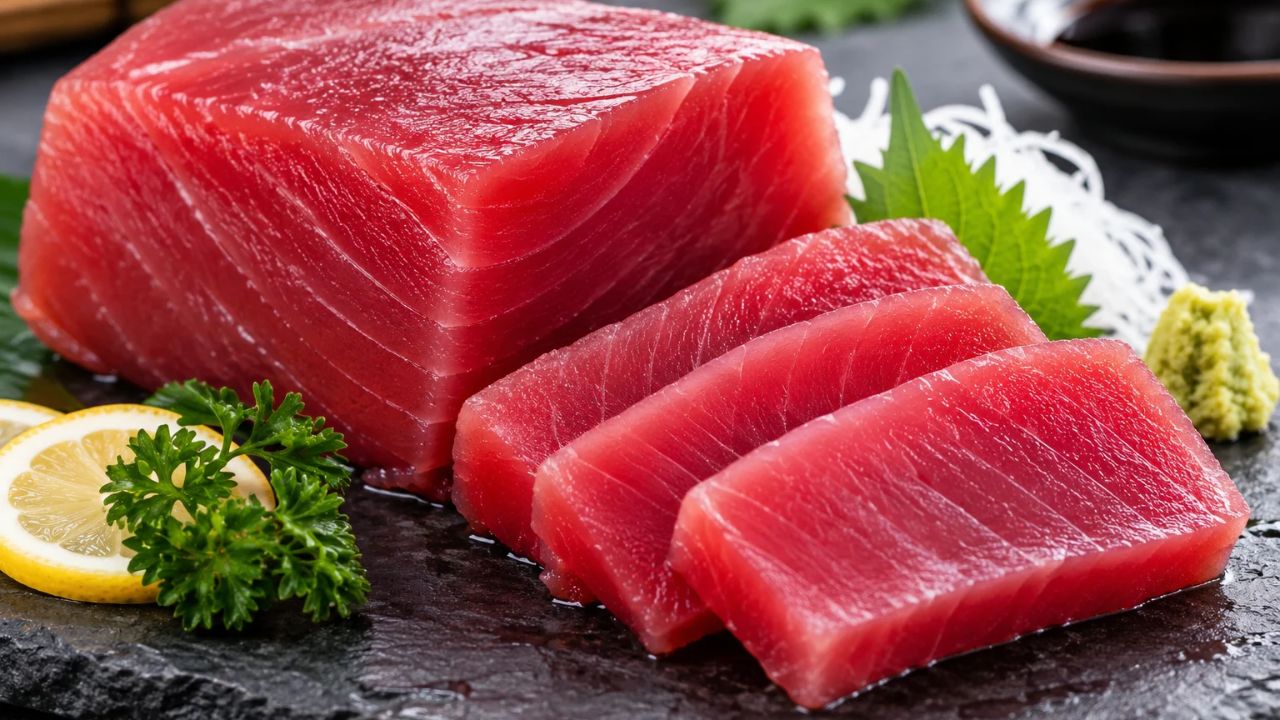
Ahi is a familiar seafood choice in Hawaii and generally refers to yellowfin or bigeye tuna. Its flavor can range from clean and mild to rich and meaty, depending on the species, cut, and preparation. The flesh is typically firm, making it suitable for several Japanese seafood preparations.
Flavor and Texture
Ahi tuna generally has a clean, savory flavor with a firm texture. Leaner cuts tend to feel denser and more substantial, while fattier cuts can have a softer mouthfeel. Its relatively straightforward flavor makes tuna appealing to diners who want to enjoy the taste of the fish without heavy sauces or seasonings.
Common Preparation Methods
Ahi may be served as nigiri, sliced sashimi, or as an ingredient in sushi rolls. Thinly sliced tuna can highlight its natural texture, while a roll may combine tuna with cucumber, avocado, or other ingredients for additional flavor and crunch.
In Hawaii, ahi is also widely associated with poke, although poke and sushi are distinct preparations. Poke typically features seasoned cubes of fish, while sushi combines vinegared rice with other ingredients.
Best for: Diners who enjoy a clean seafood flavor and a firm, satisfying texture.
2. Salmon: Rich Flavor and a Soft Texture
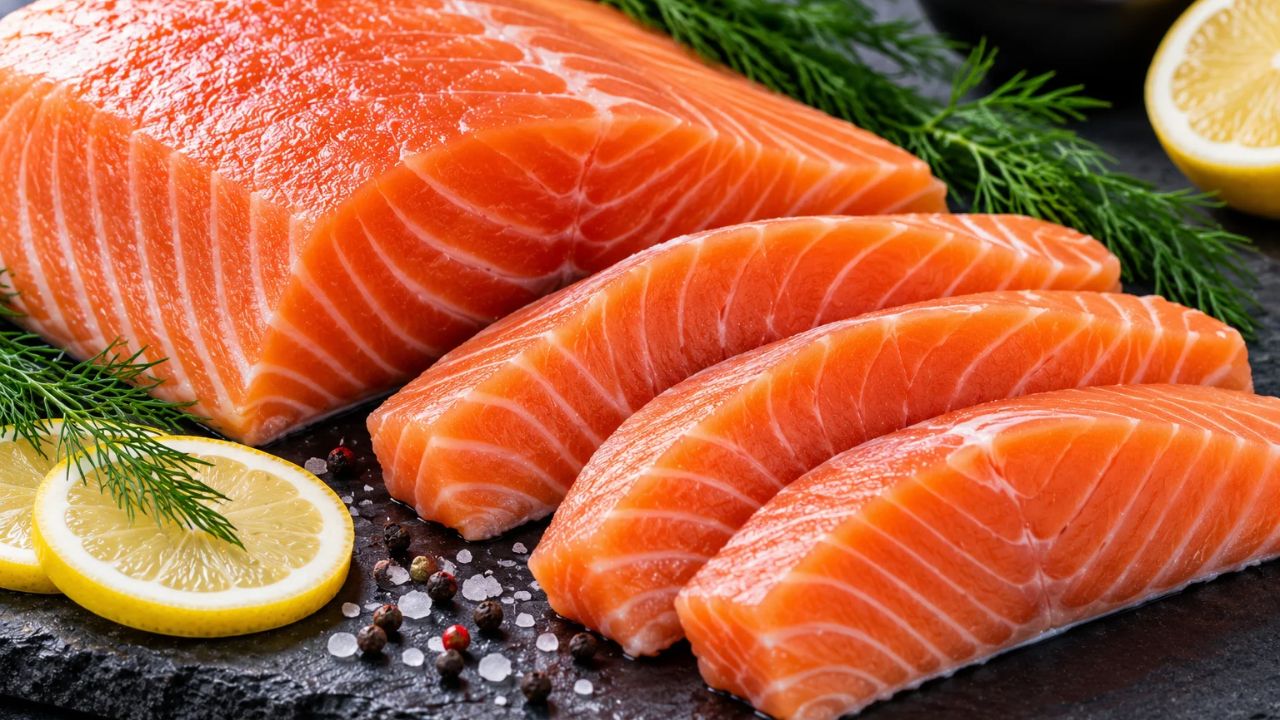
Salmon is popular in sushi restaurants because of its recognizable flavor and smooth texture. Compared with leaner fish, salmon often has a richer taste because of its fat content. Its flavor can vary depending on the species, source, and cut.
Flavor and Texture
Salmon typically offers a mild to moderately rich flavor with a tender, buttery mouthfeel. Its natural fat contributes to its smooth texture, making it appealing to people who prefer seafood that feels softer rather than firm.
The balance between flavor and texture also makes salmon a versatile ingredient. It can complement seasoned sushi rice, vegetables, and a range of sauces without necessarily requiring complicated preparation.
Common Preparation Methods
Salmon is commonly served as nigiri, sashimi, and in maki rolls. Some preparations feature raw salmon, while others use cooked, grilled, or seared salmon. These cooking methods create different flavor profiles, from delicate and buttery to more pronounced and savory.
When choosing a salmon-based roll, consider the additional ingredients. Avocado can reinforce the creamy texture, cucumber can add freshness and crunch, and spicy sauces can create a stronger flavor.
Best for: Diners who prefer tender seafood with a rich, smooth mouthfeel.
3. Yellowtail: Mild Flavor with a Buttery Finish
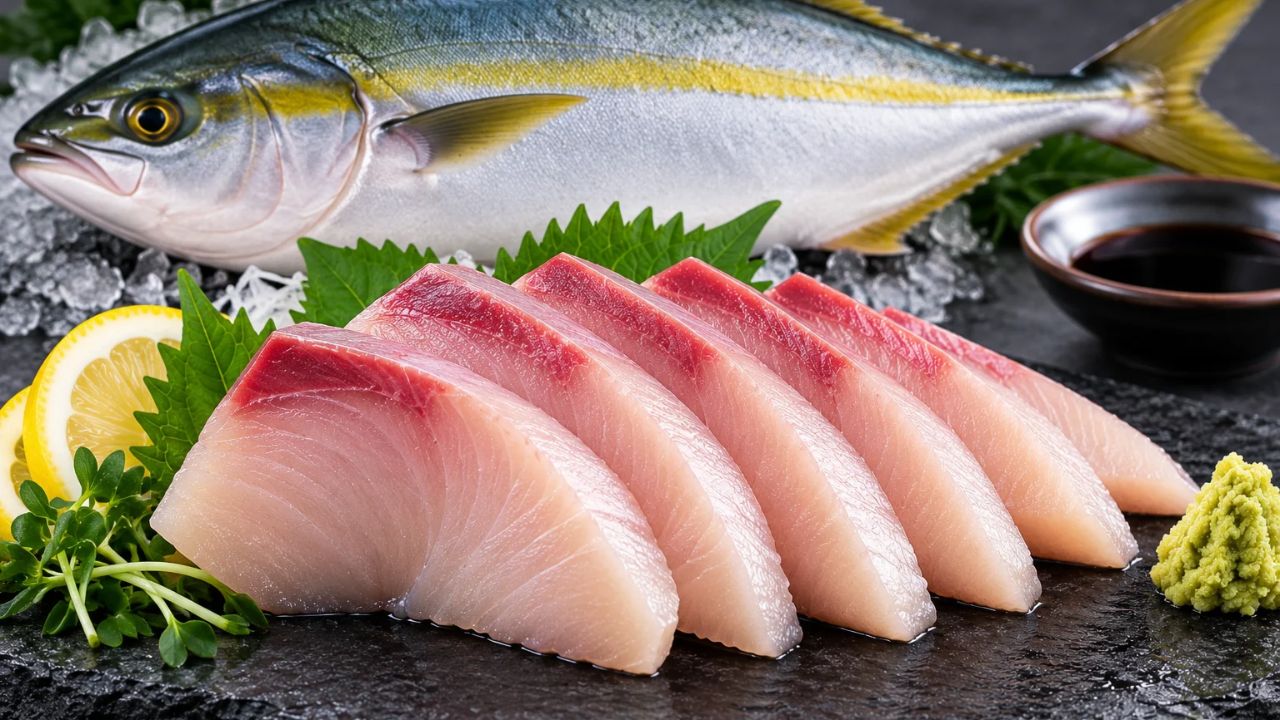
Yellowtail, often called hamachi on Japanese menus, is another popular fish used in sushi. The name hamachi commonly refers to young Japanese amberjack, although fish names and species can vary by market.
Yellowtail is appreciated for its balance of mild flavor and delicate richness. It can be an appealing alternative for people who want something different from tuna or salmon without choosing an especially strong-tasting fish.
Flavor and Texture
Yellowtail often has a mild, slightly sweet flavor with a tender, smooth texture. Depending on the cut, it may have a subtle richness that creates a buttery finish.
Its relatively delicate flavor makes yellowtail suitable for simple preparations where the fish remains the main focus. Strong sauces and excessive seasoning can overwhelm some of its more subtle characteristics.
Common Preparation Methods
Yellowtail is frequently prepared as nigiri or sashimi. Thin slices allow diners to appreciate its texture, while nigiri combines the fish with seasoned rice for a balanced bite.
Some preparations pair yellowtail with citrus, scallions, or light seasonings. These additions can introduce freshness and acidity without completely masking the flavor of the fish.
Best for: Diners who enjoy mild, delicate seafood with a slightly rich finish.
4. Shrimp: A Cooked Seafood Option
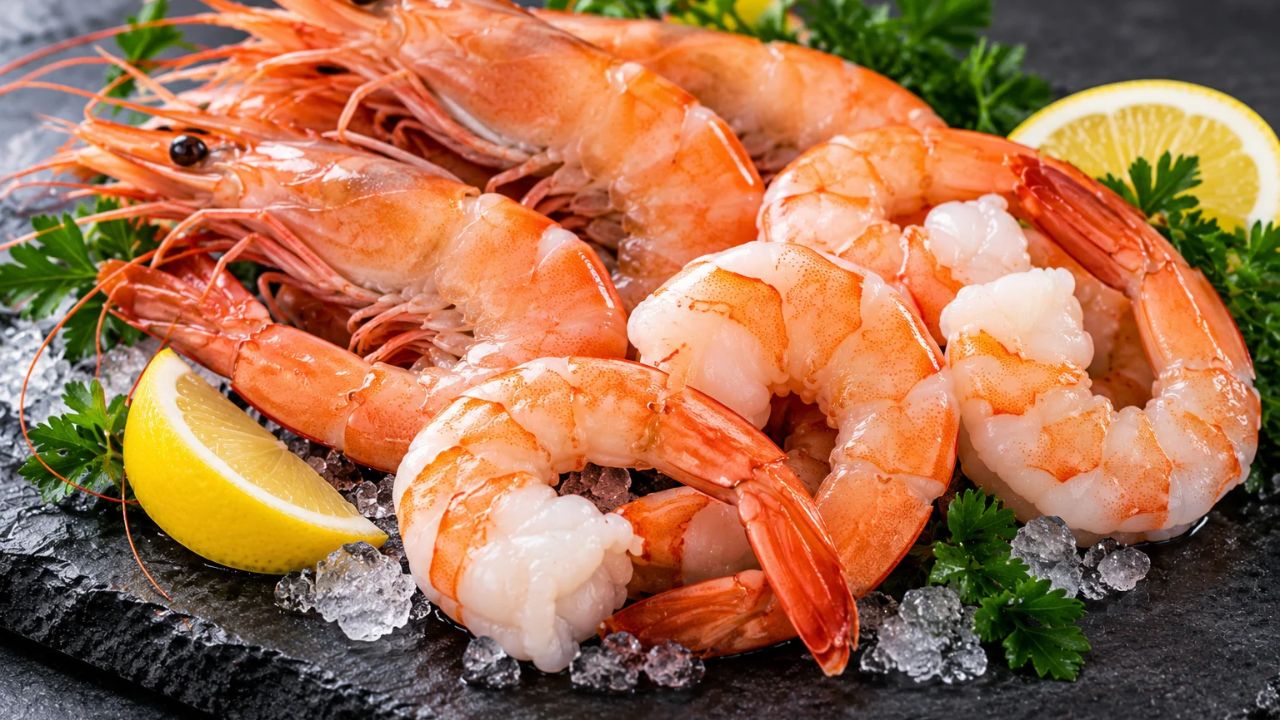
Not every sushi topping needs to be raw. Shrimp, known as ebi in Japanese culinary terminology, is a familiar choice for diners who prefer cooked seafood or a firmer texture.
Its flavor is generally mild and slightly sweet, making it easy to combine with sushi rice and other ingredients.
Flavor and Texture
Cooked shrimp typically has a firm, springy texture and a gentle sweetness. Unlike the softer mouthfeel of salmon or some cuts of yellowtail, shrimp provides a more distinct bite.
Its mild flavor also works well in sushi combinations that include vegetables, avocado, or other seafood ingredients.
Common Preparation Methods
Shrimp is often served as nigiri after cooking. It can also appear in sushi rolls, including preparations that use battered and fried shrimp. These versions offer different textures: traditionally cooked shrimp is relatively firm, while tempura shrimp adds a crisp coating.
The preparation matters when choosing a dish. A simple shrimp nigiri highlights the seafood itself, while a fried shrimp roll emphasizes crunch and the combination of ingredients.
Best for: Diners who prefer cooked seafood, a mild flavor, and a firmer bite.
5. Eel: A Savory Choice with Sweet Seasoning
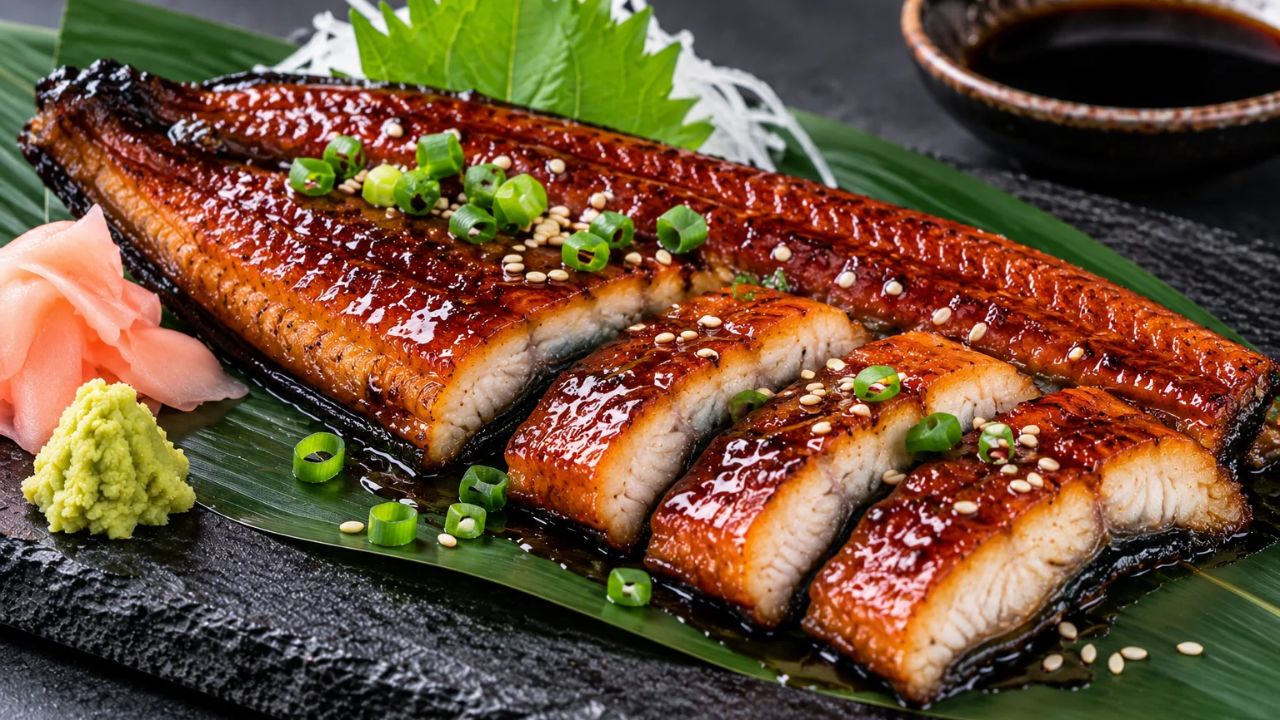
Japanese eel, commonly called unagi when referring to freshwater eel, offers a different experience from the mild flavors of tuna, salmon, and yellowtail. It is generally cooked before serving and is often associated with a sweet-savory glaze.
Flavor and Texture
Cooked eel has a tender texture and a rich, savory flavor. When brushed with a sweet soy-based sauce, it develops a more pronounced taste that combines sweetness, saltiness, and umami.
Because eel is commonly served cooked, it can be an approachable option for people who are not comfortable eating raw fish.
Common Preparation Methods
Unagi is commonly grilled or broiled, glazed with sauce, and served over rice or as a sushi topping. In sushi rolls, eel may be combined with cucumber, avocado, or other ingredients that balance its rich flavor.
The sauce is an important part of the experience. Its sweetness complements the eel, so additional sauces may not be necessary.
Best for: Diners who enjoy cooked seafood with a rich, sweet-savory flavor.
6. Scallops: Delicate Sweetness and a Tender Bite
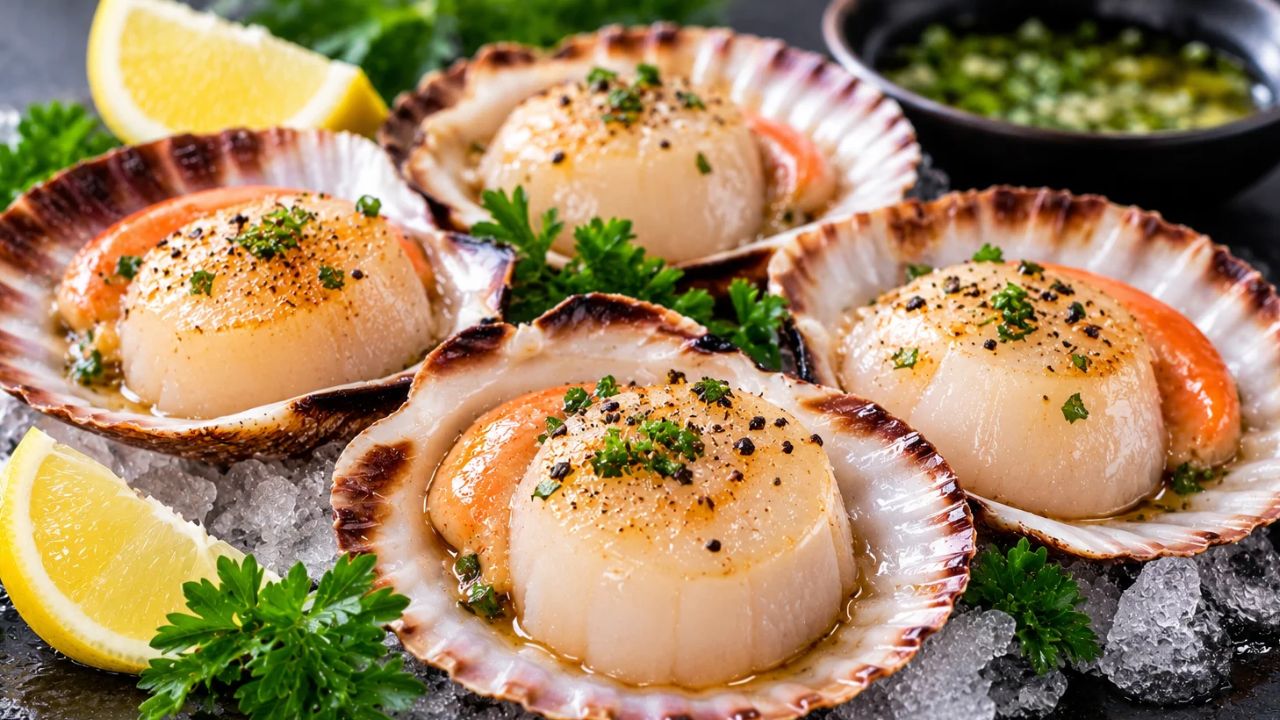
Scallops are seafood rather than fish in the biological sense, but they are frequently used in sushi and are worth understanding when comparing seafood flavors.
Their appeal comes from a naturally sweet flavor and a tender texture that can vary depending on the species and preparation.
Flavor and Texture
Scallops generally have a delicate, slightly sweet taste. When properly prepared, they can feel tender and smooth without the pronounced firmness associated with tuna or shrimp.
Their subtle flavor pairs well with simple seasoning. However, sauces, spicy toppings, or other strong ingredients can change the overall experience considerably.
Common Preparation Methods
Scallops may be served raw in suitable sushi or sashimi preparations, lightly seared, or incorporated into specialty rolls. Cooked scallops develop a more pronounced savory flavor, while raw preparations tend to emphasize their natural sweetness and texture.
As with other seafood, preparation and safe handling are essential when scallops are served raw.
Best for: Diners who enjoy delicate seafood with a gentle sweetness.
How to Choose Sushi Fish Based on Your Preferences
Understanding the differences between popular sushi fish can help you select dishes that match your taste. Rather than ordering based only on appearance, consider the flavor intensity, texture, and preparation method.
Here is a quick comparison:
| Seafood | Typical flavor | Texture | Common preparations |
|---|---|---|---|
| Ahi tuna | Clean, savory, sometimes meaty | Firm | Nigiri, sashimi, rolls |
| Salmon | Mild to rich | Tender, buttery | Nigiri, sashimi, rolls |
| Yellowtail | Mild, slightly sweet | Delicate, smooth | Nigiri, sashimi |
| Shrimp | Mild, slightly sweet | Firm, springy | Nigiri, cooked rolls |
| Eel | Rich, sweet-savory | Tender | Grilled toppings, nigiri, rolls |
| Scallops | Delicate, sweet | Tender, smooth | Nigiri, sashimi, specialty rolls |
These descriptions are general guidelines. The exact taste and texture depend on the species, cut, handling, and preparation.
If You Prefer Mild Flavors
Consider yellowtail, shrimp, or scallops. These options generally have a relatively gentle flavor, although the preparation and accompanying sauces can influence the final taste.
If You Enjoy Richer Seafood
Salmon and certain cuts of tuna may be appealing because of their richer mouthfeel. Eel is another option if you prefer cooked seafood with sweet-savory seasoning.
If You Prefer a Firm Texture
Ahi tuna and cooked shrimp are worth considering. Their firmer textures create a more substantial bite than the tender texture often associated with salmon or scallops.
If You Prefer Cooked Seafood
Shrimp and eel are common cooked options. You can also look for cooked seafood rolls and other prepared dishes, depending on the restaurant’s current menu.
What Is the Difference Between Nigiri, Sashimi, and Sushi Rolls?
The type of fish is only one part of the dining experience. The way seafood is served can also affect its flavor and texture.
Nigiri combines a small portion of seasoned sushi rice with a topping, which may be raw or cooked fish or other seafood. It offers a direct way to experience the balance between rice and seafood.
Sashimi consists of carefully sliced fish or seafood served without sushi rice. It places more emphasis on the seafood itself and its natural texture.
Sushi rolls, commonly called maki, combine rice, seaweed, and other ingredients. Depending on the recipe, a roll may feature raw fish, cooked seafood, vegetables, sauces, or crunchy toppings.
If you want to understand these preparations in more detail, read our guide to the differences between nigiri, sashimi, and maki.
Does Freshness Matter When Choosing Sushi Fish?
Freshness and proper handling are essential considerations when eating seafood, especially when it is served raw. However, appearance alone cannot establish whether fish is safe to eat.
Restaurants must follow appropriate sourcing, temperature-control, and food-safety procedures. Fish intended for raw consumption may also require specific parasite-control measures, depending on the species and applicable food-safety requirements.
For diners, the practical approach is to choose reputable establishments that handle seafood properly. If you have allergies, dietary restrictions, or concerns about a particular preparation, ask the restaurant staff about the ingredients and how the dish is prepared.
It is also important to remember that raw seafood is not suitable for everyone. Pregnant people, young children, older adults, and people with weakened immune systems may need to avoid raw or undercooked seafood because of foodborne illness risks.
Explore Sushi Flavors at KuruKuru Sushi Hawaii
Learning about different seafood varieties is a useful starting point for choosing sushi, but personal preference ultimately matters most. You may enjoy the clean, firm texture of tuna, the richness of salmon, the delicate flavor of yellowtail, or the sweet-savory taste of cooked eel.
At KuruKuru Sushi Hawaii, diners can explore Japanese dining through a variety of sushi styles and other menu selections. If you are planning your next visit, browse the KuruKuru Sushi menu to review the available dishes before ordering.
You can also find restaurant information and plan your visit through our KuruKuru Sushi locations page.
Whether you are trying a new seafood variety or returning to a familiar favorite, understanding flavor, texture, and preparation can help you make a more satisfying choice.
