Sushi is known for its fresh seafood, carefully prepared ingredients, and balanced flavors. However, one of the most important elements behind a good sushi experience is something that often goes unnoticed: the rice.
Whether it is traditional nigiri, a colorful sushi roll, or a simple vegetable roll, rice plays an important role in bringing all the ingredients together. Japanese sushi rice is different from ordinary steamed rice because of its variety, texture, seasoning, and preparation method.
Understanding what makes Japanese sushi rice special can help you appreciate the craftsmanship behind every sushi dish. In this guide, we will explore the type of rice used for sushi, how it is prepared, why it has a slightly sweet and tangy flavor, and what makes it different from regular rice.
1. What Is Japanese Sushi Rice?
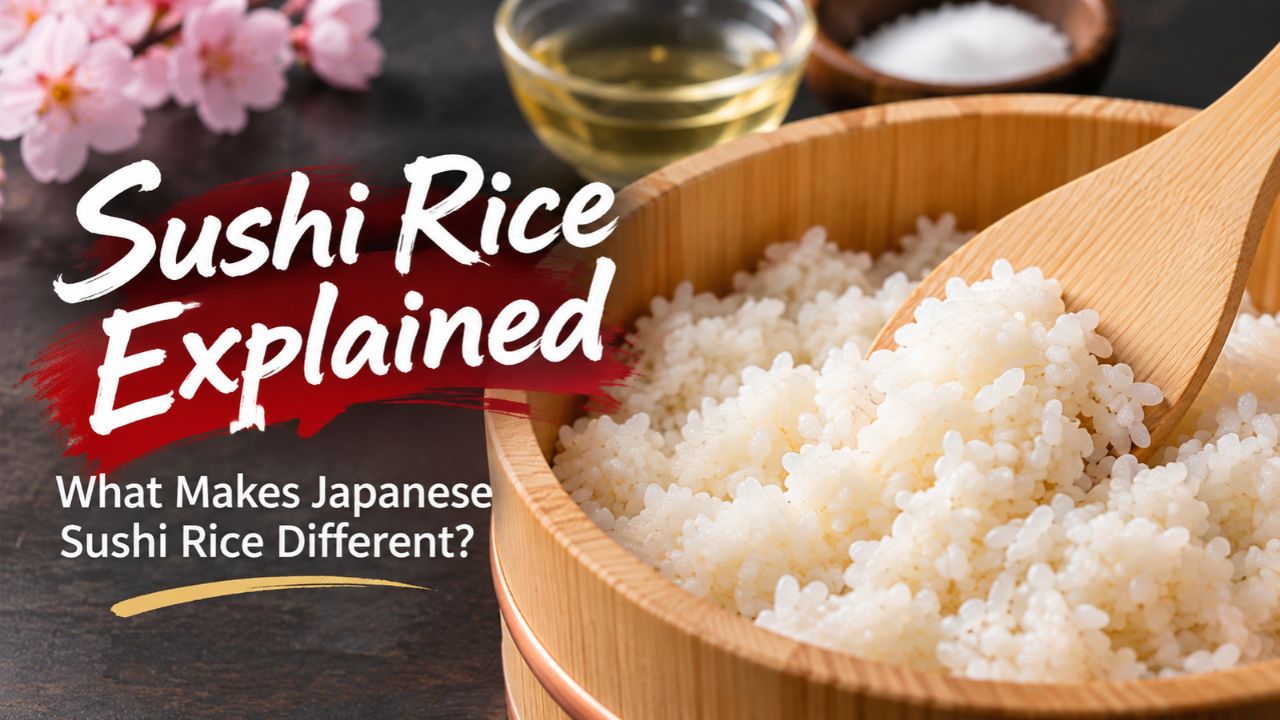
Japanese sushi rice, commonly known as shari or sumeshi, is short-grain rice prepared with a mixture of rice vinegar, sugar, and salt.
Unlike ordinary steamed rice, sushi rice has a distinct combination of texture and flavor. The grains become slightly sticky after cooking, allowing them to hold together without becoming overly mushy.
This consistency is important because sushi needs rice that can maintain its shape while being handled, rolled, or topped with other ingredients.
Sushi rice is commonly used in several Japanese dishes, including:
- Nigiri: Small portions of seasoned rice topped with slices of seafood or other ingredients.
- Maki: Sushi rolls made by wrapping rice and fillings in seaweed.
- Temaki: Hand-rolled sushi shaped like a cone.
- Chirashi: A bowl of sushi rice topped with assorted seafood and other ingredients.
Each preparation uses sushi rice differently, but the quality of the rice remains an essential part of the dish.
2. What Type of Rice Is Used for Sushi?
Traditional Japanese sushi is generally made using short-grain Japanese rice. This rice contains a relatively high proportion of amylopectin, a type of starch that contributes to its characteristic sticky texture.
When cooked properly, the grains become tender and slightly cling together while retaining their individual shape.
There are also medium-grain rice varieties used in some sushi preparations, but Japanese short-grain rice is widely recognized as the traditional choice.
Why does grain size matter?
- Short grains generally provide the desired sticky consistency.
- They hold together well when shaped into sushi.
- Their soft texture complements seafood and vegetables.
- They absorb seasoning while maintaining a pleasant bite.
Long-grain rice, such as basmati, is generally unsuitable for traditional sushi because its grains remain more separate and do not provide the same consistency.
3. Why Is Sushi Rice Sticky?
One of the most recognizable characteristics of Japanese sushi rice is its slightly sticky texture.
This comes primarily from its starch composition and cooking process.
Rice contains two major types of starch:
- Amylose: Helps rice grains remain separate and less sticky.
- Amylopectin: Contributes to a softer, stickier consistency.
Japanese short-grain rice typically contains a higher proportion of amylopectin than many long-grain varieties.
During cooking, starch absorbs water and gelatinizes, giving the rice its soft and cohesive texture.
However, sushi rice should not feel wet, pasty, or excessively sticky. Proper preparation ensures that the grains hold together while still maintaining their individual structure.
4. What Makes Sushi Rice Taste Different?
Another important difference between ordinary steamed rice and sushi rice is its seasoning.
After cooking, sushi rice is traditionally mixed with a seasoning known as sushi-zu. This mixture generally contains three ingredients:
Rice vinegar: Adds mild acidity and freshness.
Sugar: Balances the acidity with gentle sweetness.
Salt: Enhances the overall flavor.
The exact proportions can vary depending on the chef, recipe, and regional preferences.
The combination creates a balanced flavor that complements the natural taste of seafood, vegetables, and other sushi ingredients.
Sushi rice is not supposed to overpower the toppings. Instead, its subtle sweetness and acidity help bring the different flavors together.
If you enjoy learning about how different seafood ingredients contribute to sushi, read our guide to popular sushi fish in Hawaii.
5. How Is Traditional Sushi Rice Prepared?
Preparing sushi rice requires attention to detail. Even small differences in water measurement, cooking time, or seasoning can affect the final texture.
Here is an overview of the traditional preparation process.
Step 1: Washing the Rice
The rice is washed several times with cold water to remove excess surface starch. This helps prevent the cooked rice from becoming excessively gummy.
Step 2: Soaking the Rice
After washing, the rice is usually soaked in water for a period of time. This allows the grains to absorb moisture and cook more evenly.
Step 3: Cooking
The rice is cooked using a carefully measured amount of water. A rice cooker or traditional cooking method can be used to achieve consistent results.
Step 4: Seasoning
Once cooked, the rice is transferred to a suitable container, traditionally a wooden tub called a hangiri. The vinegar seasoning is added and gently mixed into the rice.
Step 5: Cooling
The rice is mixed and cooled to an appropriate temperature. Traditionally, chefs use a fan to help cool it while distributing the seasoning evenly.
The result is rice with a balanced flavor, soft texture, and slight stickiness that makes it suitable for sushi preparation.
6. Why Is Sushi Rice Important for Different Types of Sushi?
Rice is not simply a filler ingredient. Its texture and consistency influence how different sushi varieties are prepared and enjoyed.
Here is how sushi rice contributes to some popular varieties.
- Nigiri: The rice must hold together in a compact shape while remaining light enough to complement the topping.
- Maki rolls: Properly seasoned rice helps the ingredients stay together when wrapped in nori.
- Temaki: The rice provides structure inside the hand roll without making it too heavy.
- Chirashi: Sushi rice creates a flavorful base for assorted seafood and other toppings.
For example, nigiri combines seasoned rice with seafood in a way that allows both ingredients to complement each other. You can learn more about traditional sushi dining and how to enjoy different preparations in our guide on how to eat sushi the traditional way.
The preparation may differ slightly between sushi styles, but the rice remains central to the overall experience.
7. Sushi Rice vs. Regular Steamed Rice: What’s the Difference?
Although both are made from rice, sushi rice and ordinary steamed rice have different characteristics.
| Feature | Japanese Sushi Rice | Regular Steamed Rice |
|---|---|---|
| Rice variety | Usually short-grain | Varies by cuisine |
| Texture | Soft and slightly sticky | Depends on variety |
| Seasoning | Vinegar, sugar, and salt | Usually unseasoned |
| Flavor | Mildly sweet and tangy | Generally neutral |
| Main purpose | Sushi preparation | Everyday meals |
| Consistency | Designed to hold its shape | Varies depending on preparation |
The biggest difference is that sushi rice is prepared specifically to complement sushi ingredients and maintain its structure during preparation.
8. Can You Make Sushi With Regular Rice?
Technically, you can experiment with different rice varieties, but the results may not be the same as traditional sushi.
Long-grain varieties such as basmati or jasmine rice generally have a looser texture. Their grains do not stick together in the same way as Japanese short-grain rice.
If you want to prepare sushi at home, look for rice specifically labelled as Japanese short-grain rice or sushi rice.
A few things to remember:
- Choose the correct rice variety.
- Wash the rice before cooking.
- Measure the water carefully.
- Use an appropriate rice vinegar seasoning.
- Avoid overmixing the cooked rice.
Using the right rice makes a noticeable difference in the final texture and overall sushi experience.
9. What Should Good Sushi Rice Feel and Taste Like?
Good sushi rice has a few distinctive characteristics that help identify its quality.
Texture: The grains should be tender and slightly sticky, but not mushy.
Flavor: It should have a mild balance of sweetness, acidity, and saltiness.
Temperature: Sushi rice is traditionally served around room temperature or slightly warm, depending on the sushi preparation.
Appearance: Properly cooked rice should have a soft, slightly glossy appearance with recognizable individual grains.
These qualities help create a balanced sushi experience in which rice, seafood, vegetables, and other ingredients complement one another.
Enjoy the Details Behind Every Sushi Bite at KuruKuru Sushi
Sushi is more than a combination of rice, seafood, and vegetables. Every ingredient contributes to the final experience, and Japanese sushi rice is one of the most important foundations.
From the choice of short-grain rice to the careful washing, cooking, and seasoning process, each step helps create the texture and flavor associated with traditional sushi.
At KuruKuru Sushi, you can enjoy a variety of sushi options while appreciating the ingredients and preparation behind Japanese-style sushi dining.
If you are interested in exploring different sushi varieties and Japanese specialties, take a look at the KuruKuru Sushi menu.
Planning a visit? Check our KuruKuru Sushi locations for restaurant information and directions.
Whether you are already familiar with Japanese cuisine or trying different sushi varieties for the first time, understanding the role of rice can make every bite more interesting.
